Category Archives: Laser Cut Buildings in Z

New Insights: Faller 282711 “Klingenberg Station”

A couple of years has passed since Faller released the card-stock kit for Klingenberg Station, it is remarkably similar to the plastic kit “Guglingen Station” with exceptions. The exceptions include new use of laser cut card-stock with a combination of laser cut wood parts and plastic.

Laser cut card-stock has evolved at Faller and currently there have been a number of them released over the years of entirely new designs even for urban settings. The neat innovation with Faller is the use of masking, it was originally useful/essential for lighting plastic buildings to avoid glowing of the whole building, but the original masks served double duty and introduced another innovation with window details: drapes and curtains. Card-stock is opaque so no glowing naturally occurs when lit, but Faller continues to include masking simply to add interest to the windows of their kits.

Note: LED’s are recommended to for lighting Faller buildings due to their brightness and dimming controls. LED’s are also cool versus conventional hobby lighting which give off a lot of heat. Lastly LED’s will last far longer than traditional lighting.

This first kit included plastic roof sheathing which I painted to lessen the look of plastic and the wooden parts are a beautiful texture and color hard to simulate in paper. A good design based on the original plastic kit available for many years this transitional kit to finer detailed laser cut cardstock was a very good attempt to keep pace with the growing trend toward professional cardstock construction. Faller continues to combine laser cut wood parts into these kits, and they continue to innovate with new kits each year.

Siding: this building could be a very good contender for modeling a Scandinavian themed layout?

Group Effort: introducing E 69 electric Z-Modellbau

Faller and Marklin will help me introduce the superb Z-Modellbau E 69 02 “Pauline”  electric locomotive for DB (article #2101).

The prototype was built in variations starting in 1905 culminating in 1930. A beautiful model of the prototype never offered in Z except by Z-Modellbau.

I will be posting some interesting research on electric locos coming in the future but for now many photos and not many words.


Handrails and add-on parts bring great detail to this loco that is not surpassed by any manufacturer.

Metal construction with brass gearing and brushless motor are standard features of Z-Modellbau.

Z-Modellbau locomotives are delivered in a small blue box lined with foam and small instruction sheet noting this locomotive is maintenance free and should not be taken apart.

Perfect Partners: Archistories, FR, Z-Modellbau

Three manufacturers from Germany are probably the best small manufacturers in Z gauge today, each complementing one another with prototypical accuracy, precision engineering and design plus high quality material build. Each has their niche filling in where Marklin has not including early Prussian building kits, Scandanavian locos and rolling stock plus small locomotive classes untouched by any other manufacturer of Z.

The smallest operating locomotive in Z is represented in the offerings of Z-Modellbau, here is a Kof II painted and lettered for the NSB Railway coupled to FR Freudenreich’s container car for the SJ.

Far smaller in length than a single container car this locomotive features a brushless motor and brass gearing with metal shell.

In another photo a Prussian car-shop is juxtaposed alongside the tiny Kof II locomotive classified Skd211 for the NSB.

Siding: Kof style locomotives are essential for shunting and regional service with simplified operating procedures, a no nonsense locomotive with many useful duties. I plan to operate this one along a pier for shunting harbor freight.

quality-toys-trains on Ebay is the only USA dealer for FR and Z-Modellbau, Andreas is a trusted seller of rare Z!!!

Archistories: Farmstead “Dorpeder”

The other day I announced on this blog the new releases of Archistories, and there are many! Now the world of Z has some excellent buildings for urban and rural by this manufacturer and others, but modern suburban buildings are not covered as yet in laser cut. The Prussian style of architecture is a primary concern for Archistories with many very interesting building types represented with some equipped with motors that turn water wheels and windmills. All Archistories buildings making lighting a joy with predrilled holes in the base and partition walls, but the material nature of laser cut is opaque and won’t glow as does plastic when it is lit.

This farmhouse represents framework construction of the Westphalia region of Germany. Brick is used to fill in between the timbers sometimes the bricks are white washed with the prototype or simply stuccoed, they come in many variations and framework designs in Germany are rather unique seemingly organic constructions with personalities of their own. The wild variety of timber placement in this type of construction sometimes appears planned following some measure of symmetry and other times asymmetrical owing to unique and non duplicated forms. Framework construction with exposed timbers is seen alone and other times combined with sheathing along the roof trusses, brick and stone also make appearances not exclusive to foundation walls. The durable construction technique is also facilitated with strong foundations and steep pitched roofs of slate, terracotta or thatch.

The build of this kit is fun and enjoyable, the finished result is the best thus far in Z for a farmhouse. Some aging maybe desired depending on the era being modeled. The prototype for this example I would guess is mid 19th century to early 20th century when steam ruled and before German reclassification.

ZScaleMonster.com and ZScaleHobo.com are the dealers for Archistories in the United States, both are excellent and reliable sources for this and many more Z scale products.

Looking at Old Photographs for Modeling Ideas Part 5: Farmsteads

Tilled earth, tractors, cows, horses, wagons, people, crops and fruit trees are just a few of the many items a modeler can include with the rural landscape. But missing no more are really good barns and farmhouses in laser cut kits by Faller and Archistories. The recent release of two versions of a farmhouse and barn come from Archistories and include framework construction as does the earlier release by Faller. But Marklin too released a barn (slaughterhouse) with suggested stucco construction. So thus far there are many farm buildings with Archistories receiving the big award for Best in Show!

Archistories “Kallental” (ARC-405171) and “Dorpeder” (ARC-406171)

Faller Bauernhaus (282785)

Marklin 89791 (slaughterhouse including accessories not pictured)

Photo 1: Hartum (village near Hille, Germany)

Photo 2: Hille. Uphoff (note steam tractor)

Photo 3: Horstmeyer. Hille

Photo 4: Hille. Meyers (seed company? note: large barrels, crates and merchants)

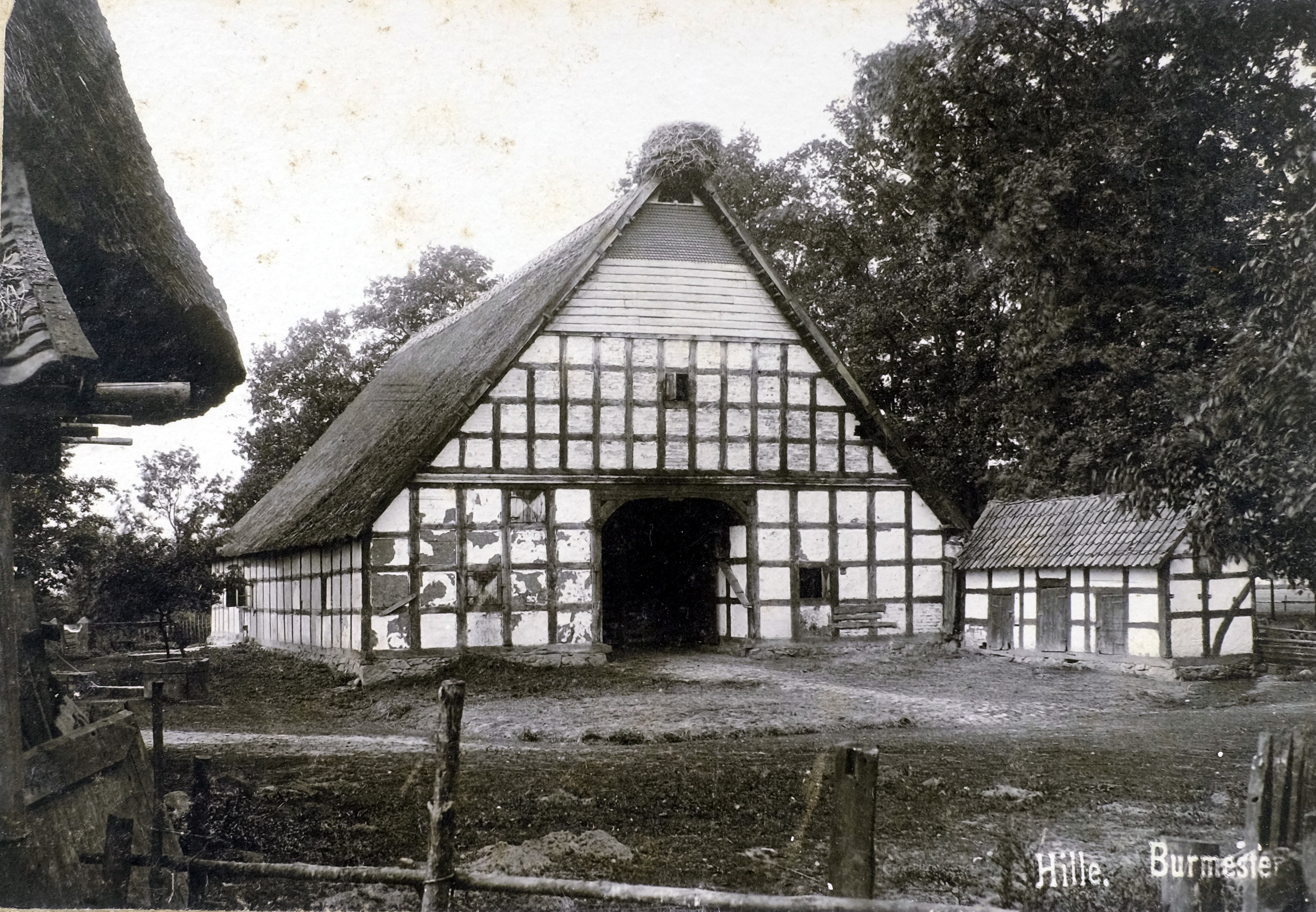
Photo 5: Hille. Burmester (note: white wash chipping off stucco suggesting age)

Photo 6: Hille. Wilhelmy (note: farmhouse with stucco and barn with brick in fill framework construction)

Photo 7: Hille. Horstmeyer (note: muddied path with puddle)

Photo 8: Hille. Bormeyer (note: barn with whitewashed brick in fill and fruit trees planted alongside barn)

Siding: MBZ building kits are available from Reynauld’s in IL, they feature numerous rural buildings and farmsteads but purchasing can be delayed for many months due to small production never the less they maybe of interest to certain themed layouts.

Good luck and have fun!


Looking at Old Photographs for Modeling Ideas Part 4: Rural Houses

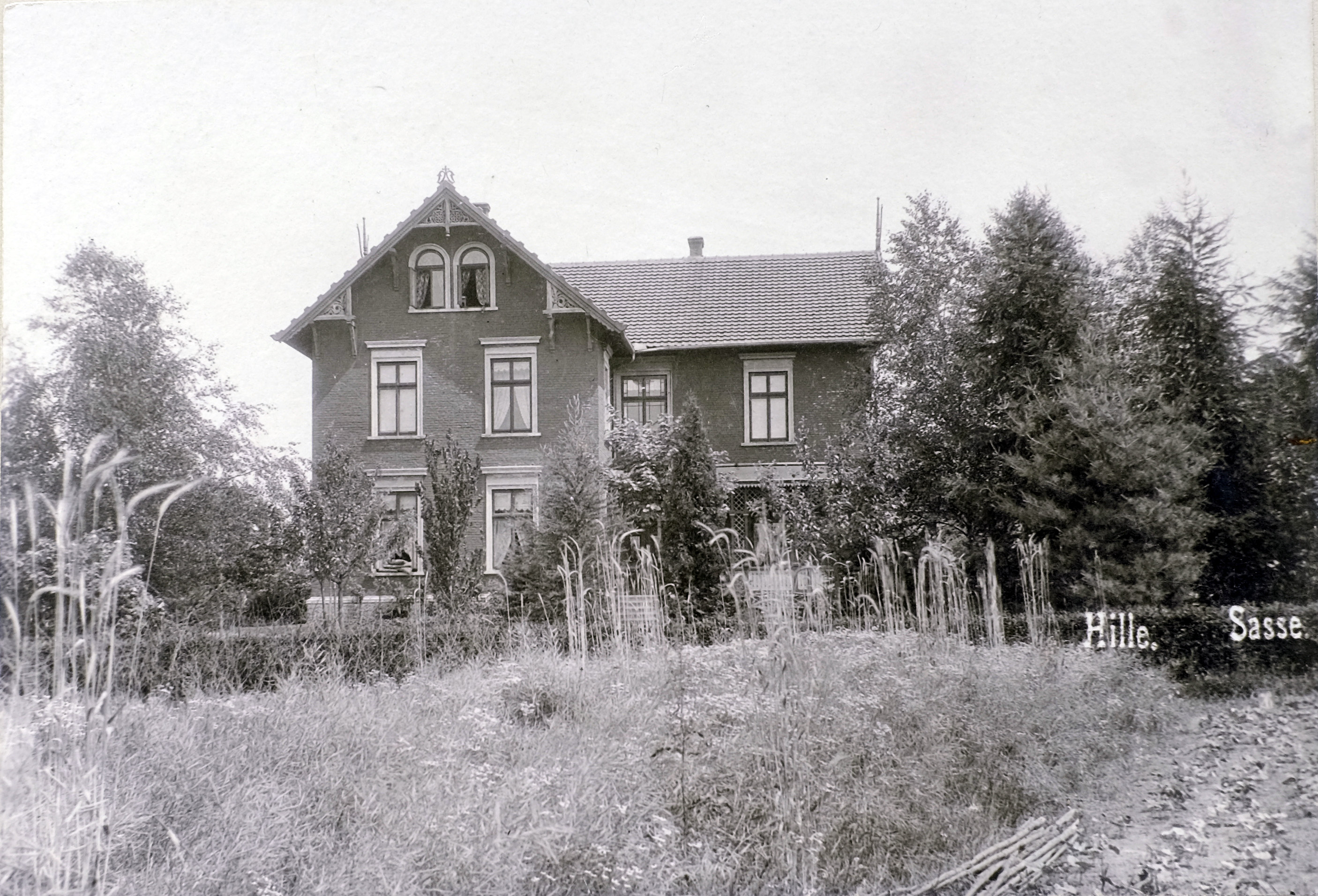
Three lovely photographs of homes in the country include scenes with lush vegetation, walking paths, young and old trees. How to model such a dynamic landscape will require keen observing and patience. Plus the right materials and tools.

The Frye House by Archistories

is a good building to start with, add various colors and lengths of Noch Static Grass, trees and hedges but don’t forget to shape the topography. Unless you live in Iowa  rarely is the land flat. Lighting a scene to replicate noon day sun is yet to be discovered when i have a solution I will surely post it. With the right light shadows will be soft and colors will be bright. Tissue paper could solve window treatments in the Frye House which features partition walls as a standard feature thereby allowing selective interior lighting. Walking paths, cemetery and fences are part and parcel of a well lived country side. Today it is possible to model all aspects of these three photographs but first comes planning and careful execution. One such tool that is expensive but worth owning is the Noch Staticmaster, it charges static grass thereby making it stand on end realistically. I got mine from ZScaleHobo.com. A Z scale steam engine taking a journey through such landscapes is the layout experience everyone will enjoy.

Photo1: Cantorhaus. Hille (choir leaders home next to cemetery and Christian marker)

Photo 2: Hille. Sasse

Photo 3: Hille. Bexhof

Good News! New Releases from Archistories 2017

Archistories “Dorpeder Hof” (photo: courtesy Archistories)

As many of you know who read this blog I am big fan of Archistories building kits for Z gauge. Archistories can be credited perhaps with igniting the trend of fine laser cut buildings in Z, they are fun to build and real architectural models: one step closer to reality! And they look great!

Archistories “Kallentaler Hof” (photo: courtesy Archistories)

The good news is Archistories has been been releasing numerous items recently with more to come including scratch build accessories and fencing solutions!

Today I received kits of two versions for farmhouse and barn: “Dorpeder Hof” and “Kallentaler Hof”. Both feature framework construction, but one is stucco and the other features brick fill with timber framework. The brick detail in the “Dorpeder Hof” kit is superb, it is also the kit I chose to build first. Each kit includes two buildings: farmhouse and barn with terracotta tile roofs. Overall an easy build which should take the experienced modeler 3-4 hours to complete. The only real difficulty with the buildings is lining up the filigree framework which is glued over the brick panels. Note: it is impossible to realign paper after pressure is applied.

I usually include a few notes based on my experience building laser cut that I hope are helpful. The instructions are always without error with Archistories, but I would point out a rather unique construction outlined in the instructions: farmhouse ends are built layer upon layer in more than 10 steps which require patience and precision, maybe 1/2 hour should be allowed for each. It is easy to overlook a step or part with complex constructions, probably rehearsing the assembly of all parts without glue is helpful. The other remark I would make is with the barn, part A10 is a delicate part that I recommend gluing to the base, but gluing it to the top panel only after it is assembled without glue. And great care should be exercised to avoid bending or breaking part A10.

Note: unlike plastic kits, some laser cut parts need to be aligned by the modeler such as decorative embellishments and moldings thus the parts that suggest joists should be aligned precisely with the framework timbers as is the case with the sides of the farmhouse.

Two dealers in the United States are reliable sources for Archistories:

  1. zscalemonster.com
  2. zscalehobo.com

Siding: the right glue for laser cut is Noch 61104 available at zscalehobo.com.

Siding: for realistic treatment of layout scenery stay tuned for historic photos recently discovered that might be helpful. Find under category “Scenery: Historical Guide.”

Marklin Maintenance Facilities: 1 + 2 + 3

Marklin has thus far released three maintenance facility laser cut kits with related accessories starting with 89805 (2015): “Small Railroad Maintenance Facility, 89806 (2016): “Small Maintenance Facility” and 89807 (2017): “Maintenance Facility Setup”. All kits are available.

89805 includes a small loco shed with an attached workshop, small water tower, standpipe, coal loading bin with crane and buckets, plus two cast metal speeders for rail inspections (*includes track compatible rollers).

89806 includes a two stall loco shed, Prussian water tower, cast metal power shovel, sanding tower, 2-inspection pits and blasting rack.

89807 includes Sulzdorf freight shed, track scale structure, tool rack with tools, oil standpipe, smokestack, and handcar.

Build all three: Accessories in each kit complete the tools and equipment for maintaining steam locomotives thus building all three affords a realistic representation of steam maintenance facilities. The only redundancy in the three kits are the first two loco sheds but each can be used in various parts of a layout including the first loco shed alongside a small rural station for rail bus storage. Two water towers are included in these kits: one paired with a standpipe and the other representing Prussian design.

Notes on construction: Several challenges exist completing the various kits including filigree cutouts that layer over building sidings, small parts to assembly and the intricate nature of working small. Careful preparation will go along way including precise cutting of parts, alignment and gluing. Magnifying goggles, tweezers and small drops of wood glue are all that is needed. I recommend Noch glue for laser cut available from ZScaleHobo.com, this is an easy to apply strong glue and superb to apply right from the tube due to the small applicator.

Special challenges with these kits: Window glazing requires manual cutting and measuring unlike some kits which diecut the glazing. Loco doors on the second kit’s shed do not have glazing frames so the glazing is glued directly onto door panels, perhaps consider some customizing to add a subtle frame around the windows(?). Some filigree parts are lightweight paper so great care needs to be taken to avoid rippling of the paper thus achieved with very little glue applied. *A glue stick is ideally suited to avoid applying moisture to paper constructions but in the case of laser cut buildings in Z it is unsuitable for a variety of reasons.

Marklin 89807

Rating: All three kits are perfectly tuned to Z scaling and rich in details. The freight shed in 89807 is superb as are the water towers which isn’t to say any of the other constructions in these kits are anything less. I would highly recommend all three kits, they were super easy to build with noted special challenges the finished buildings look great.

New Release Build Kit: Marklin 89807 Freight Depot

Marklin new release of a freight depot in laser cut cardstock is the “Bee’s Knees”! This was a fun kit to put together and aside from taking extra time on window glazing went together surprisingly quick. Marklin labeled this kit as “Maintenance Facility Set-up Part 3”, it includes loco maintenance equipment as a bonus but the building can be used as a stand alone freight depot. Marklin 89805 with loco shed, coal loading crane and bins is considered the first in this series and 89806 is considered the second in the series which includes loco shed with two tracks, water tower, and cast metal power shovel.

Measuring in inches 4 1/2 (length) x 1 15/16 (width) x 1 9/16 (height) the new freight depot kit is loaded with detail with a very pleasing color scheme.

The 2 chimney building allows workers warmth at both ends with the expected heavy draft coming from the 6 large freight doors complemented by iron framework ornamentation. The framework construction typical in parts of Germany sits atop a cut stone foundation with windows around the perimeter.

A crane is permanently installed on the dock and when properly installed swivels. Heavy beams support the docks with sets of wooden steps allowing access from the ground. It is possible to light the building with pre-cut holes for installation and one partition wall to create lighting effects.

Construction tips: kit designed for the modeler with a little experience with laser cut cardstock buildings. This kit features all the challenges you may ever see in laser cut including filigree framework that installs over brick panels. The chimneys are always deserving of care, attention and time because they involve the inner forms for construction followed by 4 side panels that need correct alignment with a chimney cap installed on top. Results are always better with properly installed window glazing which is the first step in all laser building kits with windows. A time consuming exercise relying on cutting precise squares and rectangles out of the provided mylar sheet. Don’t proceed building this kit without the window glazing, they give depth to the building especially when lit from within or side lit. A characteristic of laser cut cardstock buildings are the sometimes flimsy papers used to complement 1:220 scale and intricate detailing, overly thick paper stocks would diminish the overall look of fine detailed z buildings. Gaining experience with these kits will surely reward the z modeler with correctly scaled and interesting architectural models. Weathering is certainly a consideration to add depth and character to a building of this type, the docks would receive heavy wear from dollies and hand trucks representing the dirty paths embedded in the dock’s planks, soot from the chimneys and age patina of steel sheathing on the roof. Air brush and dry brush techniques for both areas of the building.

Accessories in the kit: the building could have been enough for this very successful kit, but as an added bonus loco maintenance equipment was also included: rail bicycle, track scale with building, steam loco tools and stand, oil standpipe, and smokestack.

This kit is highly recommended.

Good luck and have fun!


Weathering Laser Cut with Noch and Railroad Colors

Yesterday I put together the fine new building kit from Marklin: 89759 Girder Bridge. Railroaders know from experience that these rather common bridges get a lot of abuse and neglect from weather, wear and tear from daily heavy train traffic and delayed upkeep. To explore the idea of realism as it goes with these bridges I decided to add weathering to the one I just made.

One new product from Noch is a 2 part rust kit (61162) which incorporates an iron medium that is oxidized by the application of a second solution. The Noch product plus Railroad Colors “Tarnished Black” water based paint will be used in this weathering example.

Noch recommends prepping the surface to be rusted with a spray fixative. In the case of paper it is recommended by this modeler, without spray fixative the Noch Rust kit soaks into paper leaving little on the surface to later oxidize. Wet application of paints also leave little flexibility or control as they too will be soaked up in a laser cut building kit, layering of color will thus be difficult. What to do? I recommend a spray fixative which is applied by passing the building through a spray mist of Artists’ fixative rather than spraying the model directly. Too much spray fixative will darken the color of the model, it is also unnecessary. Your health will benefit from this small application and don’t forget a mask. As for applying paint I recommend the dry brush method which entails saturating a brush with paint and running both sides of the brush over a paper towel until little paint is seen on the paper towel thus allowing a very controlled randomized application. I use dry brush for all weathering techniques, it works to bring out surface engravings in laser cut better than the dab and smear approach with cotton balls recommended by one manufacturer or traditional painting. I also sometimes use paint directly with a small brush to push dirt into hard to reach crevices such as with this bridge.

Railroad bridges lack ornamentation, they are designed to be strong and functional. What a railroad bridge wears on its surface is dirty sticky grime, oil sprays, abrasions from ballast getting kicked up, soot and rust. For a well maintained bridge the rivet heads and plates will have some rust coating eventually while the rest of the bridge will be covered in years of weather and train wear and tear. How far you go with weathering is your choice but keep in mind a fresh painted bridge is rare in the real world. Plants sometimes find their way onto this bridge type along with birds nest and the like.

Photo: before weathering:

Photos: after weathering:

Note: Railroad Colors make oil and water base paints, I recommend the water base paints due to their dull flat appearance when dry.

Applying Noch Rust is easy, after prepping the surface the first step is applying iron from the large bottle. The manufacturer recommends 2 hours of dry time before the second step applying oxidation from the small bottle. Noch recommends a second application of spray fixative to stop the oxidizing process.

Try the dry brush method of applying paint after the rusting steps are completed. And that’s all you need to do.

Note: an assortment of brushes from small to big and flat to round is recommended. I also customize brushes including a cheap natural fiber house painting brush, I like these brushes because their fibers are of all lengths and rough thereby randomizing the application of paint with dry brush. I also cut these brushes to the width I want to work in this case the brush width corresponds to the width of the sides and base.

The number one dealer for innovative Noch products is zscalehobo.com.

Products used in this posting: Noch 61162, Railroad Colors “Tarnished Black” and Marklin 89759 Girder Bridge.

Good luck and have fun!

Siding: if boats travel under your bridge perhaps consider adding a warning light, warning stripes, or signage.